In today’s power generation industry, reliability and cost efficiency are not just goals—they are necessities. Whether you operate a utility-scale power plant or manage industrial energy systems, unplanned downtime and expensive repairs can significantly impact your bottom line. One of the most effective ways to balance performance with cost control is by leveraging refurbished generator components.
Refurbished parts have evolved far beyond the outdated perception of being “second-hand.” With advanced engineering processes, rigorous quality control, and OEM-level standards, refurbished turbine and generator components now offer a powerful combination of reliability, performance, and affordability. More importantly, they play a crucial role in reducing generator repair costs while enhancing overall system longevity.
This article explores how refurbished components contribute to improved reliability, reduced downtime, and long-term savings—making them a smart investment for modern power operations.
Understanding Refurbished Generator Components
Refurbished generator components are used parts that have undergone a comprehensive restoration process to bring them back to optimal working condition. This process is far more sophisticated than simple repair or cleaning. It involves:
- Detailed inspection and failure analysis
- Precision machining and reconditioning
- Replacement of worn or damaged elements
- Performance testing to meet or exceed OEM standards
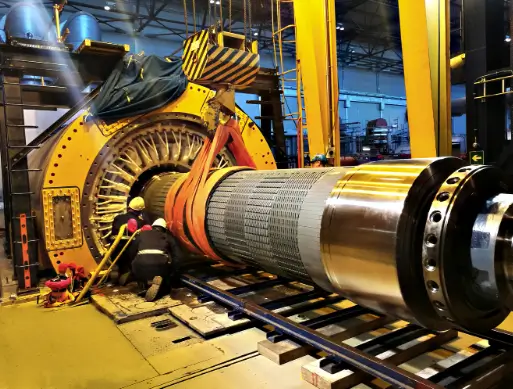
Common refurbished generator components include rotors, stators, excitation systems, bearings, seals, and turbine parts. These components are restored using advanced technologies and engineering expertise, ensuring they perform reliably in demanding operational environments.
The Rising Demand for Cost-Effective Generator Repair Solutions
Generator repair is often one of the most significant operational expenses for power plants and industrial facilities. Traditional approaches—such as purchasing brand-new OEM parts—can be costly and time-consuming, especially when dealing with long lead times or discontinued components.
This is where refurbished components provide a practical alternative. They allow organizations to maintain high performance standards without incurring the high costs typically associated with new equipment.
Key drivers behind the growing adoption of refurbished parts include:
- Increasing pressure to reduce operational costs
- Aging infrastructure requiring frequent maintenance
- Supply chain challenges affecting new component availability
- Sustainability goals encouraging reuse and recycling
How Refurbished Components Improve Reliability
Reliability is the backbone of any power generation system. Unexpected failures not only disrupt operations but also lead to costly emergency generator repair scenarios. Refurbished components enhance reliability in several ways:
1. Comprehensive Inspection and Testing
Unlike some new components that may only undergo standard factory testing, refurbished parts are often subjected to more rigorous inspection processes. Engineers carefully analyze wear patterns, material fatigue, and potential failure points before restoring the component.
This thorough evaluation ensures that any underlying issues are identified and resolved, resulting in components that are highly reliable under real-world conditions.
2. Engineering Upgrades and Enhancements
Refurbishment is not just about restoring a component—it’s also an opportunity to improve it. Many service providers incorporate design upgrades or material enhancements during the refurbishment process.
For example:
- Improved insulation systems in stators
- Enhanced coatings for corrosion resistance
- Upgraded seals and bearings for better durability
These improvements can lead to performance that matches or even exceeds the original specifications.
3. Proven Performance History
Refurbished generator components often come with a known operational history. This provides valuable insights into how the component performs under specific conditions, allowing engineers to optimize its refurbishment accordingly.
This level of predictability contributes to more reliable operation compared to entirely new components with no field history.
Reducing Generator Repair Costs with Refurbished Components
One of the most compelling advantages of refurbished parts is their ability to significantly lower generator repair costs. Here’s how:
1. Lower Initial Investment
Refurbished components typically cost substantially less than new OEM parts—often by 30% to 60%. This immediate cost saving can make a significant difference, especially for large-scale repairs or multiple component replacements.
2. Reduced Emergency Repair Expenses
Unexpected failures often lead to emergency generator repair situations, which are usually more expensive due to:
- Urgent labor costs
- Expedited shipping fees
- Extended downtime losses
By improving system reliability, refurbished components help prevent these costly emergencies, leading to more predictable maintenance budgets.
3. Extended Maintenance Intervals
High-quality refurbished components are designed to perform efficiently over extended periods. This reduces the frequency of repairs and maintenance interventions, further lowering overall costs.
4. Cost-Effective Replacement for Obsolete Parts
In many cases, older generators rely on components that are no longer manufactured. Custom fabrication of new parts can be extremely expensive. Refurbishment offers a practical and affordable solution by restoring existing components to like-new condition.
Minimizing Downtime and Improving Operational Efficiency
Downtime is one of the most expensive challenges in power generation. Every hour a generator is offline can result in lost revenue, reduced productivity, and operational disruptions.
Refurbished generator components help minimize downtime in several ways:
1. Faster Availability
New OEM components often come with long lead times, especially for specialized or custom parts. Refurbished components, on the other hand, are frequently available from existing inventory or can be restored quickly.
This significantly reduces waiting time during generator repair projects.
2. Streamlined Repair Processes
Because refurbished components are already engineered and tested, they can be integrated into existing systems with minimal modification. This accelerates installation and reduces the overall duration of repair work.
3. Planned Maintenance Support
Refurbished parts are ideal for planned maintenance strategies. By replacing worn components before failure occurs, operators can avoid unplanned outages and maintain continuous operation.
See also: Cheap Business Class Flights to Japan: A Smart Luxury Travel Guide for Asia Explorers
Lifecycle Performance and Long-Term Value
When evaluating generator components, it’s important to look beyond initial costs and consider total lifecycle performance. Refurbished components offer strong long-term value through:
1. Durable Performance
Modern refurbishment processes ensure that components are built to withstand demanding operating conditions. With proper maintenance, refurbished parts can deliver performance comparable to new components over their lifecycle.
2. Improved Asset Utilization
Refurbishment allows organizations to maximize the value of their existing assets. Instead of discarding worn components, they can be restored and reused, extending the life of the entire system.
3. Sustainability Benefits
Using refurbished generator components supports environmental sustainability by:
- Reducing material waste
- Lowering energy consumption in manufacturing
- Minimizing the carbon footprint associated with new production
This aligns with global sustainability goals while also delivering economic benefits.
The Role of Quality Assurance in Refurbishment
The success of refurbished components depends heavily on the quality of the refurbishment process. Reputable service providers follow strict quality assurance protocols to ensure reliability and performance.
These typically include:
- Non-destructive testing (NDT)
- Dimensional inspections and tolerances verification
- Electrical testing for generators and stators
- Balancing and vibration analysis for rotating components
- Final performance validation under simulated operating conditions
Such rigorous testing ensures that refurbished components meet or exceed industry standards and are ready for reliable operation.
When to Choose Refurbished Over New Components
While new components may still be necessary in certain situations, refurbished parts are often the better choice when:
- Budget constraints require cost-effective solutions
- Lead times for new parts are too long
- Components are obsolete or discontinued
- Preventive maintenance strategies are being implemented
- Sustainability goals are a priority
By carefully evaluating these factors, organizations can make informed decisions that balance performance, cost, and reliability.
Best Practices for Maximizing the Benefits of Refurbished Components
To fully leverage the advantages of refurbished generator components, consider the following best practices:
1. Partner with Experienced Providers
Choose a refurbishment partner with proven expertise in generator repair and component restoration. Their technical capabilities and quality standards directly impact the performance of refurbished parts.
2. Implement Preventive Maintenance Programs
Regular inspections and maintenance help identify issues early and ensure refurbished components continue to perform efficiently.
3. Maintain Proper Documentation
Keep detailed records of component history, refurbishment processes, and performance data. This information supports better decision-making and future maintenance planning.
4. Use High-Quality Replacement Materials
Ensure that any replaced elements during refurbishment meet or exceed OEM specifications for durability and performance.
The Future of Generator Repair and Component Refurbishment
As the power generation industry continues to evolve, the demand for cost-effective and sustainable solutions will only increase. Refurbished generator components are expected to play an even greater role in:
- Extending the life of aging infrastructure
- Supporting renewable and hybrid energy systems
- Reducing capital expenditures for utilities and industries
- Enhancing system reliability through advanced engineering techniques
Innovations in materials science, digital diagnostics, and predictive maintenance will further improve the quality and performance of refurbished components.
Conclusion
Refurbished generator components have become a vital part of modern power generation strategies. By combining cost efficiency with high performance, they offer a practical solution for reducing generator repair expenses while maintaining system reliability.
From minimizing downtime and extending equipment life to supporting sustainability goals, refurbished parts deliver significant value across multiple dimensions. When sourced from reputable providers and integrated into a well-planned maintenance strategy, they can match—or even exceed—the performance of new components.
For organizations looking to optimize operations without compromising on quality, refurbished generator components are not just an alternative—they are a strategic advantage.