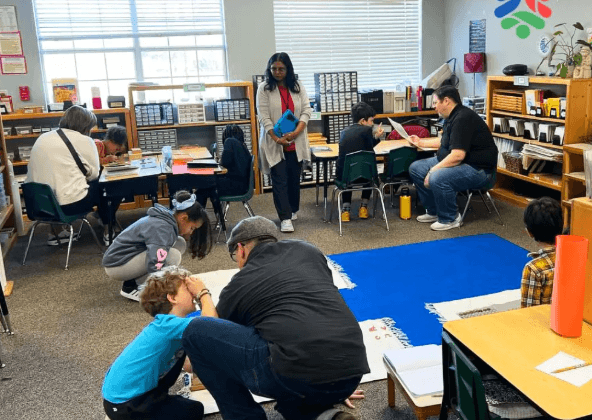
Children thrive emotionally when parents participate closely in meaningful educational experiences during important developmental years. Family-centered classrooms at non-profit organizations create stronger communication habits that support confidence among young learners. Also, the parents gain practical educational guidance through cultural lessons, collaborative activities, music sessions, and classroom experiences. Keiki or children develop healthier social behavior through supportive peer interaction, shared projects, and respectful classroom participation.
Educational institutions and parent programs provide valuable emotional support that strengthens childhood development. For instance, Parent involvement programs in KOKA encourage family relationships through cultural education, trust, and shared experiences. Many families appreciate classroom environments that encourage responsibility, kindness, independence, creativity, and meaningful communication skills. This article explains why parent involvement programs remain essential for keiki development, education, and confidence.
Strong Family Bonds Build Emotional Confidence
Parent involvement programs create warm family connections that help keiki feel secure during important childhood development stages. Shared classroom experiences encourage trust between parents and children through meaningful lessons, playful activities, and thoughtful communication. Keiki receive emotional reassurance when parents participate closely during cultural exercises, storytelling sessions, music lessons, and creative projects. This close family support helps young learners express feelings comfortably while building stronger confidence.
Cultural Values Shape Identity And Respect
Programs centered around Hawaiian traditions help keiki understand family values, cultural respect, and meaningful community responsibilities. Parents and children explore native language, songs, customs, and traditional practices through supportive classroom lessons. These experiences strengthen personal identity while encouraging respect toward elders, classmates, teachers, and surrounding community members. Cultural education also helps families preserve ancestral traditions while passing important values through future generations with greater pride.
Early Education Prepares Keiki For School
Such development programs introduce keiki to structured educational environments before preschool or kindergarten enrollment begins for many families. Children explore literacy concepts, simple mathematics, shapes, colors, and sensory materials through interactive classroom lessons. Montessori activities encourage curiosity, independence, and creative thinking while helping learners adapt comfortably within organized educational environments. These educational experiences help keiki approach future classroom expectations with greater confidence, patience, and social awareness throughout childhood.
Social Skills Improve Through Group Activities
Classroom group activities help keiki communicate respectfully with classmates while learning cooperation, patience, kindness, and friendship responsibilities together. Parents participate beside children during songs, storytelling sessions, dramatic play, and collaborative projects that encourage healthy social development. Keiki learn proper behavior through positive examples while teachers guide respectful communication habits. These social experiences prepare children for future peer interactions while reducing anxiety during unfamiliar educational or community situations.
The Programs Strengthen Healthy Home Environments
Parent involvement programs provide families with practical guidance that supports healthy routines, emotional care, and child development at home. Teachers share educational resources, wellness information, and parenting advice through supportive discussions and classroom participation opportunities. Families gain confidence through direct involvement because classroom experiences reveal effective ways to encourage healthy childhood habits. This supportive structure helps parents address educational concerns while creating calmer household relationships through thoughtful communication.
It Encourages Lifelong Educational Success
Keiki benefit academically when parents remain active participants throughout educational experiences. Parent involvement programs encourage stronger educational commitment because families understand classroom expectations, cultural lessons, and developmental goals. Kids usually demonstrate greater enthusiasm toward learning when parents show active interest through classroom participation. These positive educational experiences establish lasting habits that support future academic success and personal responsibility.
Parent involvement programs in KOKA or similar reputable non-profit organizations encourage cultural awareness, healthy communication habits, and stronger academic preparation among children. Families benefit from meaningful classroom experiences that strengthen trust, responsibility, creativity, and respectful social behavior through supportive guidance. Give keiki brighter educational opportunities through family-centered programs that nurture confidence, growth, independence, and lifelong success.