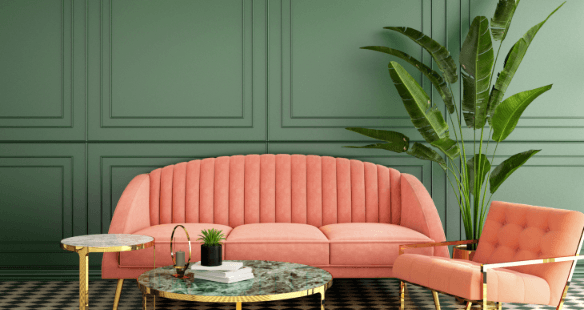
Green home design trends poised for the future center on energy efficiency, healthy indoor environments, and low-impact materials guided by lifecycle data. High-performance envelopes, heat pumps, and smart controls promise predictable savings, while scalable retrofits accelerate decarbonization. Water stewardship blends drought-tolerant landscapes with rain capture and permeable surfaces. As regenerative landscapes and resilient outdoor spaces gain prominence, off-grid capabilities offer autonomy without sacrificing comfort, inviting ongoing examination of practical implementations.
How Green Home Design Sets the Foundation for the Future
Green home design establishes a foundation for a sustainable future by integrating energy efficiency, healthy indoor environments, and materials with low environmental impact. It emphasizes eco friendly construction as a standard and adopts lifecycle assessment to quantify impacts across the building’s lifespan. This evidence-based approach informs choices, supports resilience, and enables homeowners to pursue freedom through long-term environmental and economic benefits.
Energy-Wise Systems and Materials That Cut Emissions
Energy-wise systems and materials are central to reducing building emissions by optimizing efficiency, performance, and lifecycle impact. This approach emphasizes high-performance envelopes, heat pumps, and smarter controls, delivering predictable savings.
Evidence suggests scalable retrofits and modular solutions accelerate decarcarbonization.
Future-focused strategies rely on energy efficiency gains and material innovations to lower embodied and operational emissions for freedom-minded builders.
Water, Landscape, and Regenerative Design for Resilient Yards
What role do water management, landscape design, and regenerative practices play in creating resilient yards for a changing climate?
Effective strategies emphasize water resilience through drought-tolerant plantings, permeable surfaces, and rain capture.
Landscape restoration restores ecological function, supports biodiversity, and reduces runoff.
These approaches foster adaptable, low-maintenance spaces, aligning with future freedoms in sustainable living and resilient, regenerative yard design.
Smart, Off-Grid Capabilities Without Compromising Comfort
Smart, off-grid capabilities are increasingly feasible without compromising comfort, as advances in energy storage, efficient appliances, and passive design mitigate reliance on centralized utilities. The analysis highlights reliable solar-plus-storage systems, intelligent load management, and modular microgrids enabling autonomy. With comfort integration in mind, occupants retain modern amenities, security, and wellness, while embracing resilient, low-carbon living that supports personal freedom and future readiness.
Frequently Asked Questions
How Can I Budget for Long-Term Green Home Upgrades?
A careful approach to budgeting lifecycle costs prioritizes energy upgrades and financial resilience, ensuring long-term savings. The strategy emphasizes evidence-based choices, incremental investments, and flexible funding, enabling homeowners to pursue sustainable upgrades with freedom and predictable outcomes.
Which Certifications Best Validate Green Home Claims?
Certification standards and verification methods best validate green home claims, ensuring credibility. The approach, future-focused and evidence-based, favors impartial third-party programs; thus, trusted labels guide informed freedom-seeking homeowners toward transparent, verifiable sustainability performance.
Do Green Features Affect Resale Value, and How?
Green features can positively influence resale value, with a measurable resale value impact linked to certified upgrades; budget for upgrades matters, while long term savings often offset maintenance costs. Certifications for green claims bolster value; simple eco improvements help renters.
How Do I Maintain Systems Without Increasing Costs?
Maintenance can be kept affordable by tracking costs and automating energy savings, then adjusting practices as data reveals. It tracks maintenance costs, automates energy savings, and guides future-proof upgrades for a free, efficient, evidence-based home.
See also: Stablecoins vs Traditional Currency
Are There Simple Upgrades for Renters to Go Green?
Renters can implement simple upgrades, renter friendly, such as LED lighting, draft stoppers, smart thermostats, and water-saving fixtures. These options are cost-conscious, scalable, and future-focused, supported by evidence of energy savings and tenant autonomy without long-term commitments.
Conclusion
This future-forward approach grounds design in measurable savings, healthier interiors, and durable materials evaluated through lifecycle insights. High-performance envelopes, heat pumps, and smart controls promise predictable emissions reductions, while scalable retrofits accelerate decarbonization. Water stewardship and regenerative landscapes enhance resilience without compromising beauty or function. Off-grid capabilities and modular microgrids expand autonomy without sacrificing comfort. In short, the trajectory is clear: progress compounds when evidence guides decisions, enabling sustainable living when the soil is right to grow. It’s a rising tide.